Annual Director of Public Health Report 2026 - Policy

Policy

The foundation of Wandsworth

Trees graphic

Policy is the foundation of Wandsworth

Policy is the foundation that turns ambition into action. In Wandsworth, policy is not a static set of rules, but a living framework shaped by the voices, strengths, and lived experiences of our communities. Our approach reflects the commitments set out in the Joint Local Health and Wellbeing Strategy, the Health and Care Plan, the Wandsworth Moves Together strategy, and wider council priorities: to reduce inequalities, strengthen prevention, and ensure every resident can live a healthy, fulfilling life.

A defining feature of Wandsworth’s policy landscape is the central role played by community groups, residents, and local partners. Their insight, cultural knowledge, and trusted relationships ensure that policy is grounded and responsive to the people it serves. This collaborative approach has shaped some of the borough’s most significant strategies.

Policy introduction image

Community leadership in policy development

Across Wandsworth, community voices have been instrumental in shaping the direction and priorities of key strategies:

Mental Health Needs Assessment:

Community groups helped identify barriers to accessing support, highlighted the importance of culturally competent care, and emphasised the need for early intervention and trusted spaces. Their contributions ensured the needs assessment reflects the lived realities of residents, particularly those most affected by stigma, isolation, and inequality.

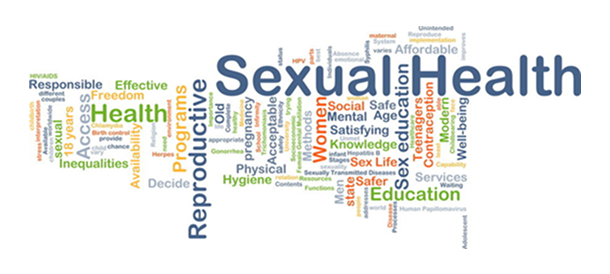
Sexual and Reproductive Health Strategy:

Insight from women’s groups, youth networks, LGBTQ+ communities, and organisations supporting survivors of violence shaped a strategy that is inclusive, trauma-informed, and grounded in cultural understanding. These contributions strengthened commitments around access, education, and reducing inequalities.

Voluntary Sector Strategy:

The strategy was co-designed through borough-wide workshops, roundtables, and grassroots engagement. Smaller resident-led groups highlighted barriers to funding and partnership working, while larger organisations contributed expertise on sustainability and collaboration. The result is a strategy that reflects the sector’s strengths, challenges, and aspirations—because it was built with them, not for them.

These examples demonstrate a shared commitment across Wandsworth’s policy landscape: policy is strongest when shaped by the people it affects.

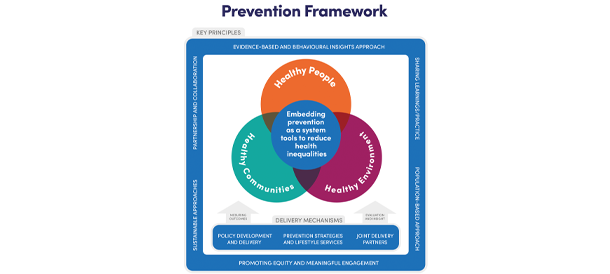
The Prevention Framework: Policy in Practice

This commitment is already being realised through the council’s Prevention Framework, which embeds prevention into every aspect of local decision-making. The framework ensures that health equity is not an add-on but a guiding principle—one that aligns with the ambitions of the Joint Local Health and Wellbeing Strategy to create healthier places, stronger communities, and more personalised support.

The Prevention Framework is being applied across the borough, influencing:

Community health initiatives
Housing and environmental planning
Education and employment pathways
Local spaces and neighbourhood design
Early intervention and family support

Case Studies

These case studies demonstrate how policy is strongest when shaped by the people it affects.

Sexual Health Strategy
Wandsworth Sexual and Reproductive Health Strategy
Community Voice:

What our communities said

Woman doing yoga graphic

"All policies that affect us should be inclusive and culturally sensitive, reflecting the diversity and richness of Wandsworth."

Mother and child graphic

"We value the collaboration between the council, voluntary and community sector organisations, community groups in creating policies that work in practice."

Woman sitting graphic

"We understand that health and wellbeing is being considered and embedded across all local policies in Wandsworth."

Chef graphic

"Voluntary and community sector organisations have a strong role to play in working alongside the council in communicating policy changes or decisions back to the communities."

Next: Partnership

Previous: Prevention