Policy case study - Sexual and Reproductive Health Strategy
Policy Case Study
Wandsworth Sexual and Reproductive Health Strategy
Project Summary
The Sexual and Reproductive Health Partnership Strategy sets out a five-year plan to improve sexual and reproductive health in Wandsworth, built through extensive consultation with residents, community groups, the voluntary sector, the NHS and the local authority. Informed by a comprehensive needs assessment, the strategy focuses on those with the poorest outcomes, ensuring action is targeted where it will make the biggest difference.
Co-produced workshops, surveys, focus groups and public consultation shaped every stage of the strategy, resulting in a plan genuinely built with and for the community. A new multi-agency Partnership Board — including community and voluntary sector representatives — now leads delivery, with Wandsworth Youth Council developing a youth-friendly version to engage their peers.
Impact and Outcomes
The Sexual and Reproductive Health Partnership Strategy demonstrates how well-designed policy can actively shape healthier, more equitable and more connected communities. By grounding decisions in evidence, lived experience and cross-sector collaboration, the strategy shows how policy becomes a tool for collective action rather than a document that sits on a shelf.
Policy creates a shared vision built with the community:
The needs assessment identified groups experiencing poorer sexual and reproductive health outcomes. The strategy directs resources and interventions toward these communities to achieve the biggest improvements overall. Benefit: Targeted action reduces inequalities and ensures support reaches those who need it most.
Policy strengthens partnerships and aligns systems:
Strategic partners across health, social care, education, safeguarding, pharmacies, disability networks and the voluntary sector contributed to shaping the strategy. A Partnership Board now oversees delivery. Benefit: Shared ownership leads to coordinated services, reduced duplication and more effective use of resources.
Policy amplifies resident voice and lived experience:
Young people, older adults, LGBTQ groups, people with learning disabilities and Black community groups all contributed insights that directly shaped priorities and interventions. Benefit: Services become more accessible, culturally relevant and trusted — increasing uptake and improving outcomes.
Policy drives prevention and early intervention:
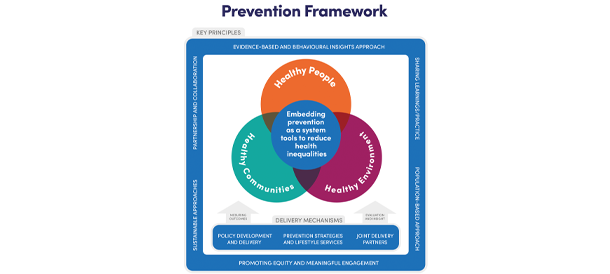
By focusing on education, access, stigma reduction and community-led solutions, the strategy shifts the system toward prevention rather than crisis response. Benefit: Earlier support improves long-term health, reduces pressure on services and empowers people to manage their wellbeing.
Policy builds community capacity and leadership:
Wandsworth Youth Council is now developing its own interpretation of the strategy to engage peers. Community organisations are encouraged to co-produce future interventions. Benefit: Residents become active partners in improving health, not passive recipients of services.
Policy creates accountability and momentum:
A Partnership Board with statutory and community representation ensures actions are delivered, monitored and adapted over time. Benefit: Progress is sustained, transparent and responsive to community needs.
Community Voice:
What our communities said
"The conversations with residents and voluntary sector organisations in our community reflected in this strategy prepares for a future focus on community and collaboration. We welcome and encourage further commitment from organisations represented in this strategy to involve and co-produce sexual and reproductive health interventions with our community. Actions developed and implemented with the community have greater impact. This is particularly important for increasing prevention activity and creating accessible services to tackle the health inequalities evidenced in our borough." (Wandsworth Care Alliance)
Other Policy Case Studies