Prevention case study - Tackling childhood obesity
Prevention Case Study
Tackling Childhood Obesity
Project Summary
Childhood obesity is a growing public health challenge in the UK, shaped by a complex mix of environmental, social and lifestyle factors. To better understand the experiences of families living in areas with higher rates of childhood obesity, partners across Wandsworth came together to listen, learn and co-design local solutions.
Funded by the GLA’s Healthy Place, Healthy Weight Mission, the project placed communities - particularly those most affected - at the heart of a whole-systems approach to improving children’s health and wellbeing.
Key Activities
Community‑centred workshops
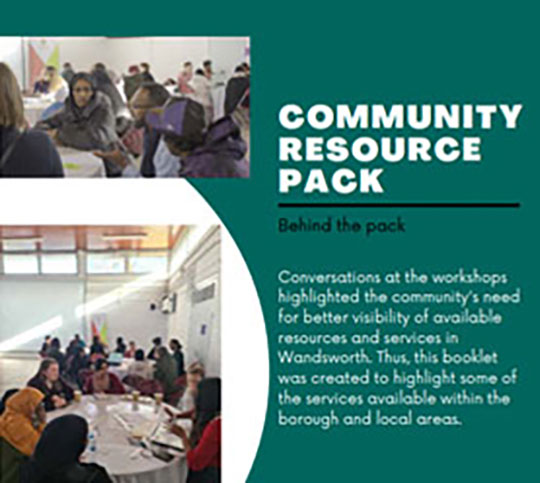
Two workshops brought together parents, children, health and social care professionals, and community organisations to explore the drivers of childhood obesity and identify local priorities for action.
Co‑production of system maps and priorities
Participants worked collaboratively to map the factors influencing healthy weight in their neighbourhoods from income and housing to mental health, access to space, cultural norms and education.
Cross‑sector task and finish group
Elays Network, Healthwatch, Live Karma Yoga and Wandsworth Council Public Health jointly designed and delivered the workshops, ensuring a balanced, inclusive and community‑led process.
Impact and Outcomes
What People Told Us
Participants highlighted several key influences on children’s ability to live healthy lives:
Finances and socioeconomic pressures:
Low income, single parenthood, disability or chronic illness can limit families’ ability to make healthy choices.
Mental health and body confidence:
A positive sense of self was seen as essential for developing healthy habits and a healthy relationship with food and body image.
Access to space and local facilities:
The availability, safety and quality of local spaces strongly shaped families’ activity levels.
Community-led, culturally relevant support:
Families want social, culturally tailored initiatives that make healthy habits enjoyable and accessible.
Education and school environments:
School meals, food education and opportunities to learn about healthy choices were seen as critical.
Impact / Outcomes
The workshops produced several tangible outputs and insights:
Co‑produced system maps and local priorities:
Clear visual maps and priority areas were developed with residents, reflecting lived experience and local context.
A community‑informed action plan:
The plan addresses key themes identified by residents, including financial pressures, mental health, community spaces, health education and wider communication.
Shared learning across the system:
Findings were shared with Southwest London ICS and other partners working on family obesity and informed the council’s gap analysis on childhood obesity.
What Happened Next: The project directly influenced service improvements across the borough. A dedicated webpage was created to signpost new parents to mental health and wellbeing resources. Feedback informed a review of the Health Visiting Service, shaping future development and strengthening identification and signposting to mental health support. Face-to-face sessions for new parents were reinstated, helping reduce social isolation. Regular cross-provider information-sharing meetings on perinatal mental health were established. Wandsworth Talking Therapies began offering drop-in sessions on maternity wards. Card Medic was introduced at St George’s Hospital to improve interpreting access. A CQC report noted improvements in antenatal care and mental health support. Breastfeeding support teams now meet regularly with the breastfeeding mental health nurse. The South London Perinatal Provider Collaborative is using the findings to strengthen peer support, community engagement and access for underrepresented groups. SWL ICB’s Digital Strategy now includes actions to enhance access and empowerment through digital tools for mental health and maternity.
Community Voice:
What our communities said

"The mix of cultural understanding from Elays Network and the health advice from the Public Health team made me feel really seen as a parent. I realised we weren't alone in the challenges we face as a family. Hearing other parents speak, and having space for our questions, made it easier to think about changing our routines. My girls came home excited to help cook dinner – that has never happened before!"Mother of two children (ages 6 and 13)
"I appreciated that the session wasn't about shaming parents or talking at us. It was practical and culturally sensitive. The team helped me understand food labels, portion sizes, and how small swaps can make a big difference. Hearing from Elays Network made me feel understood as a Somali parent trying to balance tradition with healthier choices. I left feeling empowered, not judged."Mother of a 7‑year‑old
"The session opened my eyes to how much marketing influences what children ask for. We talked about screen time, snacking habits, and setting routines at home. I appreciated that the team acknowledged the pressures families face – long work hours, tight budgets, limited space. It made the advice feel achievable. I left with a clearer plan and more confidence to support my son's health."Father of a 9‑year‑old