Prevention case study - Wellbeing First
Prevention Case Study
Wellbeing First
Project Summary
Wellbeing First is a community‑led physical activity programme designed to improve health, wellbeing and social connection for residents across two Wandsworth estates. Offering free, accessible sessions for all ages, the programme provides a consistent, trusted space where people can build fitness, confidence and meaningful relationships close to home.
Since launch, the programme has grown into a cornerstone of community wellbeing — supporting residents aged 1 to 88, strengthening neighbourhood connections and empowering people to take control of their physical and mental health.
Key Activities
Launched in October 2023 with funding from Public Health Wandsworth Borough Council, the programme currently operates in the Doddington & Rollo and Henry Prince Estates. To ensure the programme meets the needs of the community, we collaborate with residents to identify their preferred activities and priorities. This approach empowers the community to have a direct say in the services they receive. We also run community family days on each estate we work on to further engage the community.
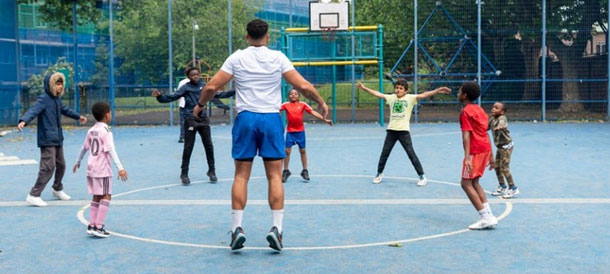
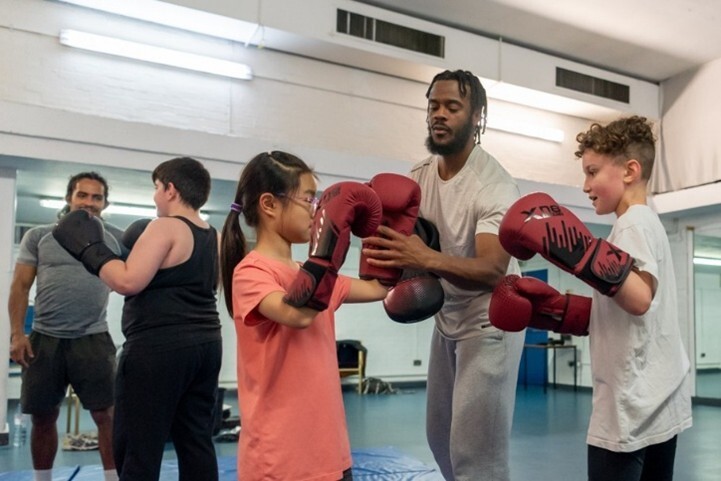
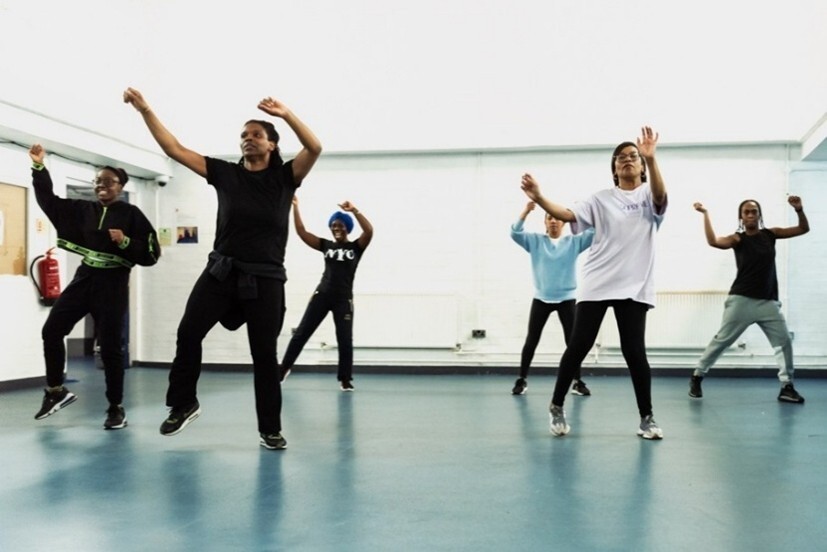
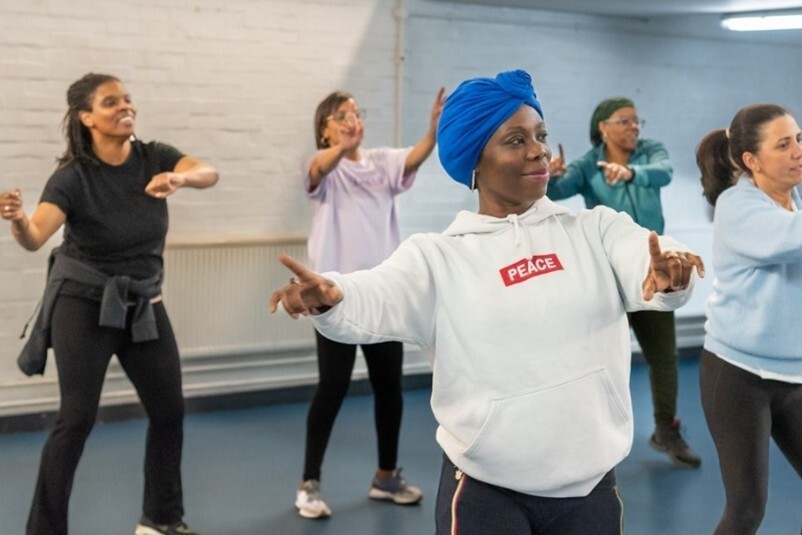
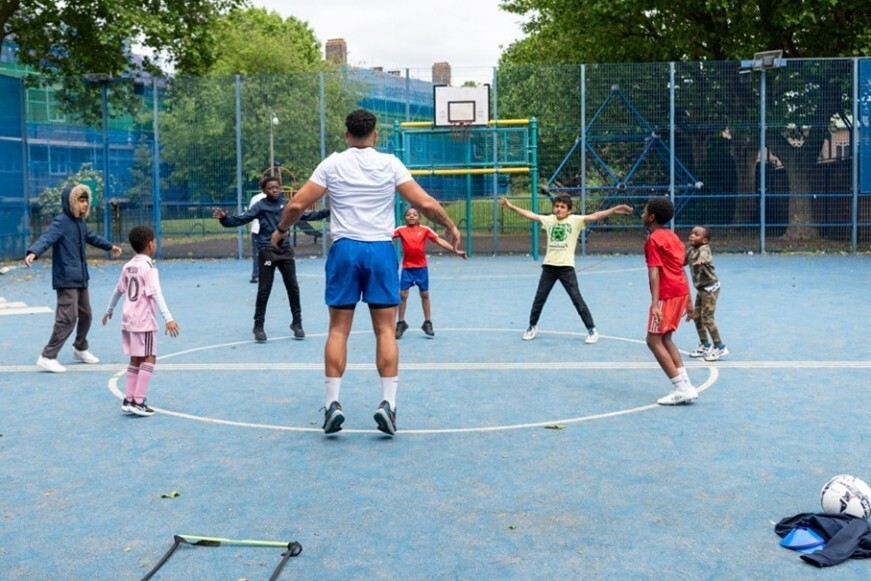
The aim of Wellbeing First is improve and maximise health and wellbeing outcomes for all residents living on local housing estates. We do this through accessible, varied, and inclusive physical activity classes that are designed with the community’s needs and preferences at the centre. We run over ten different types of sessions each week including:Get Fit Mums, Female Yoga, HIIT Training, Afro Beats Dance, Pilates, Mindful Movement, Yoga Flow Mindfulness, Youth Fitness and Youth Muay Thai.
High‑quality weekly physical activity sessions
11 sessions delivered each week across two estates. 454 sessions delivered over the year. 400+ hours of activity including Pilates, strength, mobility and wellbeing classes.
Inclusive, community‑centred delivery
2604 attendances since the start of the programme. 31 average attendances per week. 377 average monthly attendance. Participants: 75% women, 15% men, 10% young people, ages 1–88.
Trusted partnerships and skilled instructors
Sessions delivered by experienced instructors who create welcoming, culturally sensitive and supportive environments. Volunteers supported delivery, strengthening community capacity.
Impact/Outcomes
Health and Wellbeing Improvements
Survey results show strong, measurable benefits:
Reported improvements:
50%+ reported improvements in mental health, fitness, self‑confidence and sense of belonging.
Weight maintenance:
Participants reported weight maintenance or weight loss linked to regular activity.
Confident in their ability:
86% said they now feel more confident in their ability to improve their health and wellbeing.
Stronger Social Connections
New friends:
90% of participants made new friends through the programme.
Vital source of connection:
Residents consistently described the classes as a vital source of connection, routine and emotional support
Related Media
Community Voice:
What our communities said
"The sessions have enormously benefited me both mentally and physically… I joined when I was in a dark place after losing both my husband and mother. These classes brought me light and positivity."