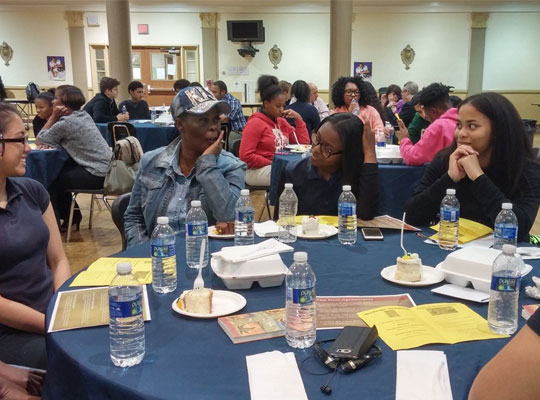
Community-led wellbeing projects
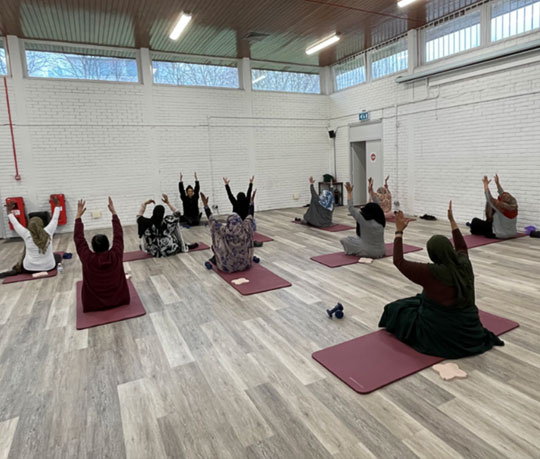
Bringing physical activity to older people, young adults, Muslim women, men at HMP Wandsworth, young women and girls, successfully dismantling traditional barriers to participation and fostering inclusion.
In Wandsworth, recent years have shown the transformative impact of working side by side with our communities to improve health and wellbeing. The council, voluntary and community sector (VCS) organisations, and grassroots groups have come together with a shared commitment to strengthen local wellbeing, demonstrating a simple but powerful truth: the insight, relationships, and leadership needed to create healthier lives already exist within our communities.
This collective effort has supported residents through the challenges of the pandemic and continues to shape a more connected, equitable, and resilient borough. It reflects the spirit of the Wandsworth Voluntary Sector Strategy – one rooted in partnership, prevention, and the belief that better health outcomes are achieved when we act as equal partners with our communities.
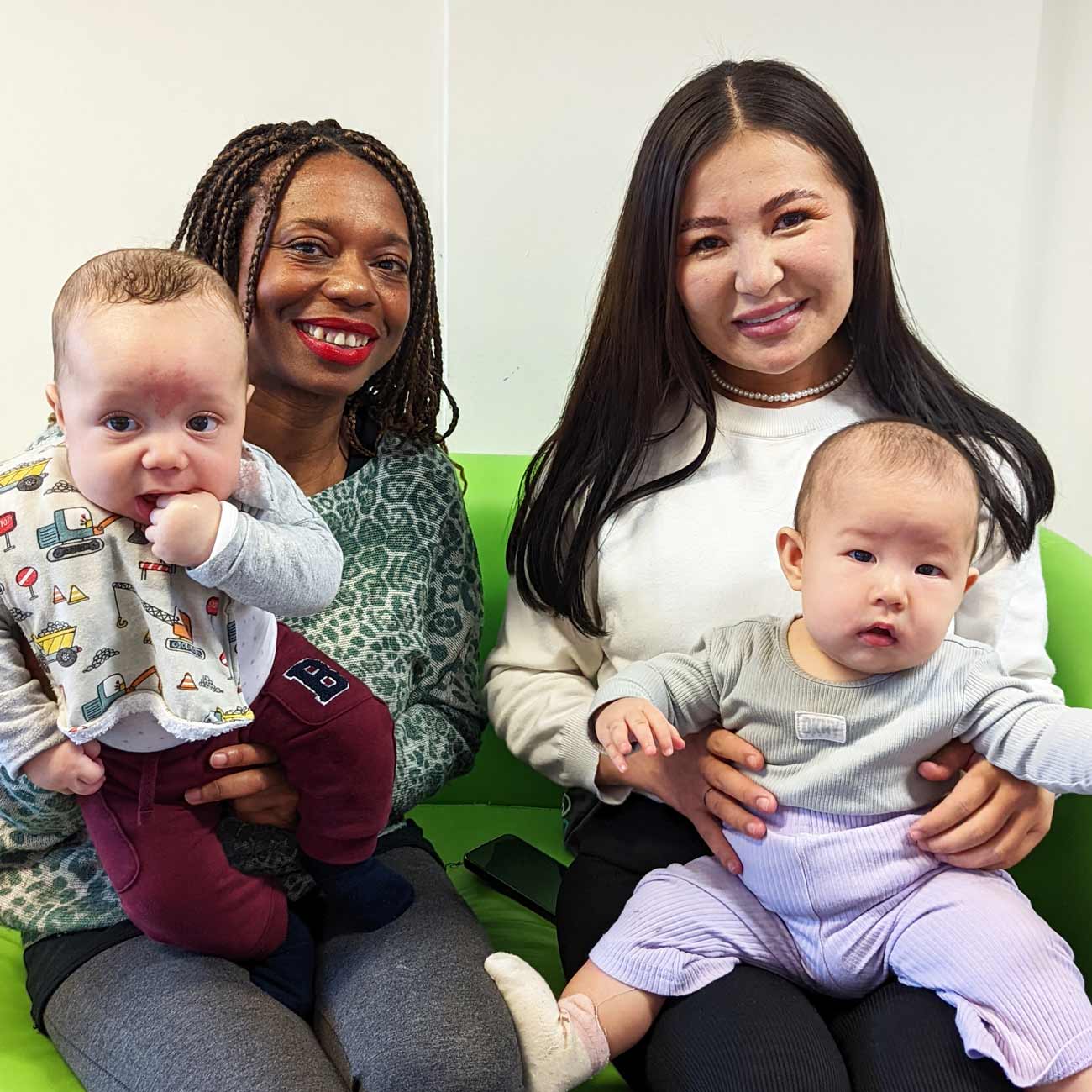
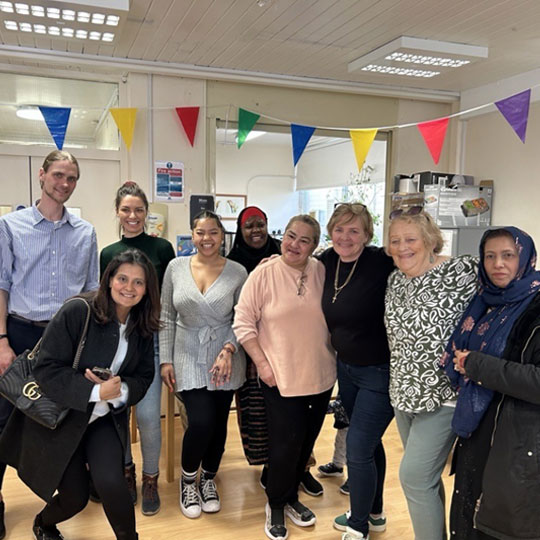
This report highlights the VCS as central to improving health and wellbeing across the borough. Through lived‑experience case studies, it showcases the community‑led approaches, innovations, and trusted relationships that are enabling residents to live healthier, more fulfilling lives. These stories illustrate how local organisations are addressing the wider determinants of health, strengthening social connection, supporting mental wellbeing, and reducing health inequalities.
Our voluntary and community organisations continue to be the driving force behind this progress. By turning local knowledge into meaningful action, they reach residents most affected by health inequalities and create opportunities for people to thrive. They are not beneficiaries of the system; they are recognised, valued, and essential partners shaping a healthier future for Wandsworth.
Across the borough, communities and the voluntary and community sector (VCS) have played a vital role in tackling health inequalities head‑on. Their insight, innovation, and trusted relationships have driven initiatives that continue to strengthen wellbeing, build connection, and transform lives. This report recognises and honours that collective effort.
Across Wandsworth, we have seen:
Bringing physical activity to older people, young adults, Muslim women, men at HMP Wandsworth, young women and girls, successfully dismantling traditional barriers to participation and fostering inclusion.
Tackling obesity, empowering healthier choices, and creating environments that make active living possible.
Ensuring lifesaving interventions reach those who need them most.
Residents empowered to lead change through their lived experience.

Local spaces transformed into hubs of health and connection.
Risks reduced, and resilience built through early action.
Community voices embedded in decision-making for equity.
Strong, equal collaboration across sectors to achieve more together.
Five years on from the pandemic, Wandsworth Public Health conducted a Community Health Needs Assessment (CHNA), to better understand and improve the health landscape of its underserved communities. This work was designed to capture how the borough’s most disadvantaged wards are experiencing health and wellbeing today, and to identify opportunities for more equitable, community‑driven solutions.
The assessment was co‑produced by the Wandsworth Community Health Action Group, bringing together voluntary and community sector partners with the London Borough of Wandsworth and NHS Southwest London ICB. Its scope aligned with the Joint Local Health and Wellbeing Strategy, focusing on the Live Well and Age Well priorities.
The needs assessment recognised residents as experts by experience. By prioritising community voice and adopting qualitative methods, it captured lived realities and ensured findings reflected the priorities of those most affected. Insights from residents were layered with borough‑wide health data and professional expertise, creating a rich, dynamic perspective on the social determinants of health.
This collaborative and inclusive approach generated nuanced insights into the complex social, cultural, and environmental influences on health and wellbeing. It highlighted both the challenges facing diverse communities and the strengths that can be leveraged to co‑produce practical, locally resonant solutions.
Above all, the assessment amplified community voices, ensuring they inform future strategies, services, and interventions that better reflect the needs of Wandsworth residents.
This framework was developed to provide a structured lens through which to explore community health and wellbeing needs, focusing on People, Place, Prevention, Policy, and Partnerships. By working within this framework, we aimed to support a holistic understanding of the multifaceted factors contributing to health inequalities and provide a layered understanding of the barriers and opportunities.

Identify and understand the needs and experiences of populations experiencing the worst health outcomes within these neighbourhoods.
Understand how the physical and social environment influences health and well-being, including where people live, work, and socialise.

Explore existing preventive measures and identify gaps in promoting healthy lifestyles and supporting access to services for disadvantaged groups.
Understanding the literature relating to health inequalities.
Assess the effectiveness of existing partnerships and identify opportunities for creating sustainable, cross-sector collaborations to address health inequalities.