Partnership case study - Perinatal mental health experiences
Partnership Case Study
Perinatal mental health experiences of our diverse borough
Project Summary
Maintaining good mental health during pregnancy and early parenthood can be challenging, and these challenges can affect the wellbeing of both parents and their children.
To ensure that every family in Wandsworth can access the support they need, this project set out to listen deeply to the experiences of local parents from diverse backgrounds and identify how services can better meet their needs.
Through sensitive, community‑led engagement, the project created a safe space for honest conversations about perinatal mental health and the barriers that prevent people from seeking help.
Key Activities
Community‑based engagement with trusted partners
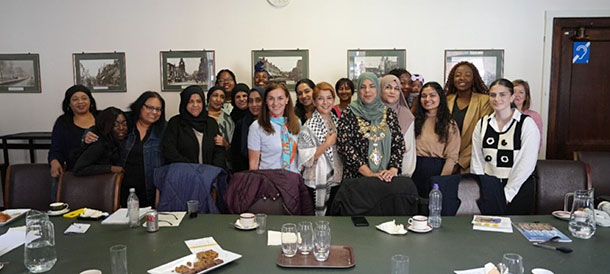
Working with the Ethnicity and Mental Health Improvement Hub, Franciscan Road Children’s Centre, Muslim Women’s Network and AGOE Empowerment Network, the team held in‑depth conversations with 12 parents from African, Caribbean, Middle Eastern, South Asian and South American backgrounds.
Creating safe, supported spaces for honest dialogue
Recognising the sensitivity of the topic and the pressures on new parents, engagement was paced carefully. Participants described the sessions as cathartic and supportive, and many were signposted to local services.
Capturing lived experience to inform system change
Insights gathered highlighted key barriers around stigma, language, access, past experiences, and the need for stronger community networks and non‑medical support.
Impact and Outcomes
The project identified clear opportunities to strengthen perinatal mental health support across Wandsworth, including:
Improved emotional support from staff:
Encouraging proactive “check-ins,” accessible information before birth, resilience-building and enhanced staff training.
Enhanced breastfeeding support linked to mental health:
Increasing access to culturally sensitive breastfeeding support.
Stronger community networks:
Normalising conversations about mental health, involving families and partners, and exploring the role of community health champions.
Expanded non‑medical support:
Creating social spaces, strengthening community–service relationships and improving online signposting.
Greater understanding of housing pressures:
Improving awareness of how housing challenges affect mental health and making housing advice easier to navigate.
Other Partnership Case Studies