Wandsworth Council evicts tenant for criminal activity
Published: Friday, September 4, 2026
Wandsworth Council's housing team has evicted a tenant who engaged in a campaign of harassment against a neighbour and helped solve a decades-old rape case after reports of anti-social behaviour led to an investigation by the Metropolitan Police.
Share this
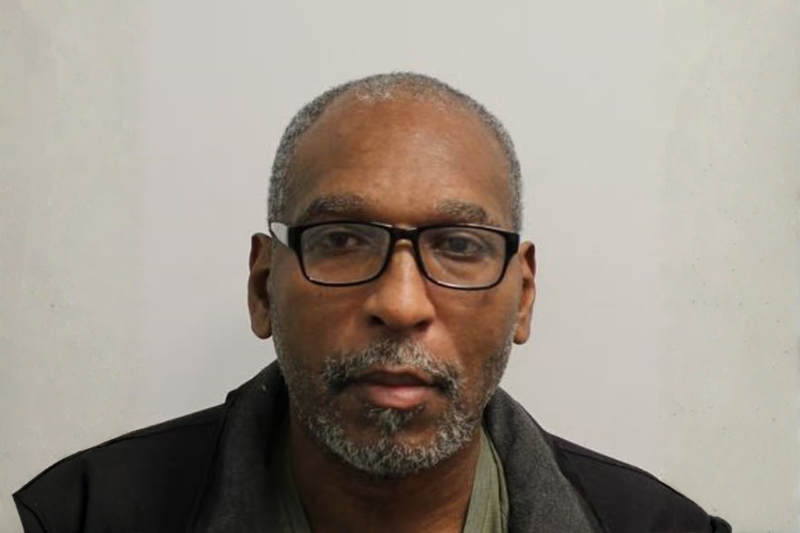
The case began in 2019 when Wandsworth Council received a series of complaints from a resident on the Lennox Estate concerning persistent harassment by a council tenant living in Burke Close. Among the reported incidents were allegations that chewing gum had repeatedly been placed in the locks of the victim's front door and car.
As complaints continued, evidence relating to the incidents, including the chewing gum recovered from the scene, was reported to and investigated by the Metropolitan Police.
Through forensic examination, police were able to match DNA recovered from the chewing gum to Mr Tony Campbell, a council tenant. The evidence led to his arrest and prosecution for the harassment offences.
On 4 December 2019, at Wimbledon Magistrates' Court, Mr Campbell pleaded guilty and was sentenced to a Community Order and a Restraining Order.
However, the significance of the forensic evidence extended far beyond the original investigation.
Further analysis by the Metropolitan Police linked the same DNA profile to the rape of a young woman that had taken place at a property in Burke Close on 11 October 2004. Following an extensive investigation, the case was brought before Kingston Crown Court.
On 9 May 2023, Mr Campbell was found guilty of rape of a woman aged 16 or over, contrary to the Sexual Offences Act 2003, and was sentenced to six years' imprisonment. The court confirmed that the offence had taken place at the address in Burke Close.
Wandsworth Council’s housing team then sought possession of the property due to serious breaches of tenancy, and a possession order was granted.
The successful prosecution highlights the vital role that reporting anti-social behaviour and harassment can play in uncovering wider criminality, as well as the importance of close partnership working between Wandsworth Council and the Metropolitan police.
Councillor Matthew Corner, Wandsworth Council's Cabinet Member for Housing, said:
"This case demonstrates why we take every report from residents seriously and we will take swift action against council tenants who break the law.
"What began as reports of harassment and anti-social behaviour led to crucial forensic evidence being identified and shared with police investigators. That evidence helped secure justice for a victim of a serious offence that had remained unsolved for almost two decades.
"We are committed to raising standards for council tenants, working alongside the police and our communities to tackle crime, support victims and make Wandsworth a safer borough for everyone."
Detective Constable Tony Anionwu, from the Met's Complex Case and Exploitation Command, said:
“Despite it being 18 years since this attack took place, it continues to have a significant impact on the victim, and we are pleased that the man responsible has finally been brought to justice.
"The dedication and perseverance of our officers should act as a warning to anyone else who has committed such an awful crime.
“We are dedicated to removing those who are violent towards women and girls from the streets of London. Campbell not only sexually assaulted a young, vulnerable woman who was on holiday, but then went on to harass another man, making him feel uncomfortable in his own home."
Wandsworth Council continues to work closely with the Metropolitan Police to respond to reports of anti-social behaviour, gather evidence and take enforcement action where necessary, helping to protect residents and keep neighbourhoods safe.
The council is also proposing to fund additional police officers in the borough as part of a major investment in community safety, responding directly to the issues residents raise most often about crime, anti-social behaviour and feeling safe in their neighbourhoods.