Help shape how social housing is allocated
Published: Monday, October 26, 2026
The rules that set out who gets priority for social housing are being reviewed to make the system fairer and reduce reliance on temporary accommodation.
Share this
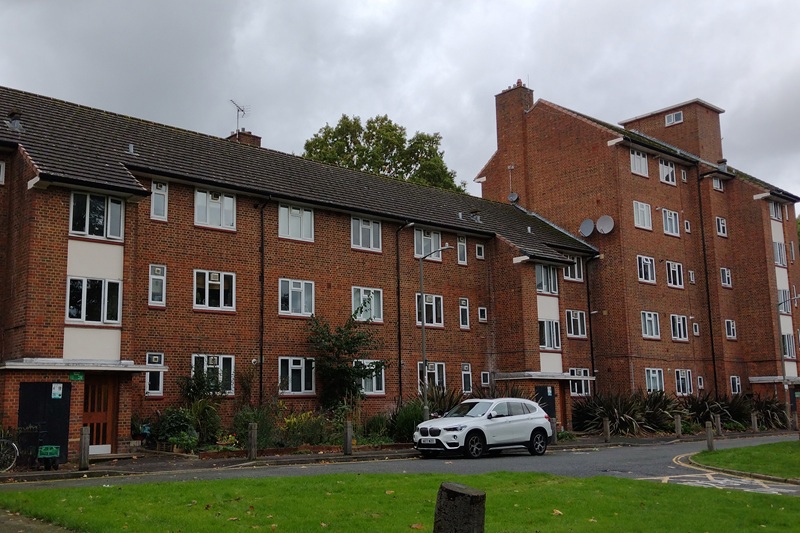
The Housing Allocation Scheme decides who can join the council’s Housing Register, how priority is assigned and how social homes are offered. Now residents are being given the opportunity to comment on proposed changes.
Currently homeless people living in temporary accommodation lose their place on the Housing Register if they move into some privately rented homes. The review proposes changing this. This means demand on temporary accommodation will be reduced, improving outcomes for residents and saving Council Taxpayers' money.
Other changes include:
- Changing the local residency rule from three continuous years living in the borough to five years out of the last seven, with the applicant living in the borough when they apply
- Introducing choice-based letting for some households. Instead of being matched to the first suitable property that becomes available, people will be able to bid on a home they are interested in, as long as it meets their needs
- Some single homeless people would be offered one-bedroom homes. Currently they are mainly only considered for studio flats unless they have specific circumstances or a medical need for something larger
- All tenants that move to a smaller home would get Band A priority, regardless of how many bedrooms they free up. Currently it is only if they free up two or more.
Cabinet Member for Housing Cllr Matthew Corner said: “Our spending on temporary accommodation has soared by around 700% since the start of the decade. This spending uses Council Taxpayers money that can otherwise be spent on services residents value.
"It is vital that we act. Reducing the need for temporary accommodation is better for our residents, improves life chances, and will help us deliver better services for all residents.
“We would like to hear from as many people as possible who are affected by this issue, including Housing Register applicants, homeless households and social housing tenants.”
If you prefer to attend an in-person event to find out more and comment, come along to one of our information sessions.